
Owning an investment property in Queensland comes with plenty of responsibilities, and legislation continues to evolve. Understanding your rights and obligations can help protect your investment, avoid costly mistakes, and create a better experience for both landlords and tenants.
Below are some of the most common questions we receive from property owners.
For more information, visit the RTA’s website here.
Quick Navigation
- How often can rent be increased in Queensland?
- Can I refuse a tenant’s request for a pet?
- Can tenants be charged for water usage?
- Can my property manager pay my rates and water bills?
- How often should routine inspections be completed?
- Should I offer leases longer than 12 months?
- How do property managers assess tenants?
- Do I need landlord insurance?
- Who pays for septic system servicing?
- Who pays for gas bottles?
- Who is responsible for pool maintenance?
- Can I sell my property while it is tenanted?
- What happens if a tenant breaks their lease early?
- What happens if a tenant damages my property?
- What is considered an emergency repair?
- Do I need smoke alarms upgraded before renting my property?
How Often Can Rent Be Increased in Queensland?
Queensland legislation now ties rent increases to the property itself rather than the tenancy agreement.
This means rent can generally only be increased once every 12 months for a residential rental property, regardless of whether:
- The current tenant signs a new lease.
- The tenancy becomes periodic.
- A new tenant moves into the property.
When reviewing rent, landlords should consider current market conditions, comparable properties, vacancy rates, tenant retention, and the overall condition of the property.
While maximising rental return is important, setting rent significantly above market value can result in longer vacancy periods and reduced enquiry levels.
Can I Refuse a Tenant’s Request for a Pet?

Tenants are entitled to request permission to keep a pet, and landlords must consider these requests reasonably.
There are circumstances where a request may be refused, including where:
- The property is unsuitable for the type of pet.
- The pet would breach local council regulations.
- The pet would breach body corporate by-laws.
- The fencing or facilities are not suitable for the animal.
Many landlords have concerns about pets. However, some pet-owning tenants can be excellent long-term tenants and often stay in a property for longer periods due to the limited number of pet-friendly rentals available.
Each application should be assessed on its individual merits.
Can Tenants Be Charged for Water Usage?
Yes, tenants can often be charged for water consumption, provided certain requirements are met.
Generally:
- The property must be individually metered, or water usage must be capable of being accurately measured.
- The tenancy agreement must state that the tenant is responsible for water consumption.
- The property must meet Queensland water efficiency requirements.
Where these requirements are met, tenants can generally be charged the variable usage charges shown on the water account, including:
- State Government Bulk Water Charges
- Water Usage Charges
Tenants cannot be charged for:
- Water Access Charges
- Fixed Service Charges
- Sewerage Charges
These costs remain the responsibility of the owner.
Can My Property Manager Pay My Rates and Water Bills?
Yes.
Many landlords choose to have their property manager pay approved property expenses directly from rental funds held in trust.
This can simplify property ownership by ensuring invoices are paid on time and providing clear financial records throughout the year.
This service is particularly beneficial for interstate investors, busy professionals, and landlords with multiple investment properties.
How Often Should Routine Inspections Be Completed?
Queensland legislation allows routine inspections no more frequently than once every three months.
In our experience, quarterly inspections are also the most effective way to protect an owner’s investment.
Small maintenance issues can become major expenses when left unchecked for extended periods. Regular inspections help identify concerns such as:
- Water leaks
- Fence damage
- Mould concerns
- Air conditioning issues
- General maintenance requirements
- Lease breaches
Property managers should also be using inspection software that records both photographs and video. This creates a more comprehensive record of the property’s condition and helps identify issues that may not be obvious from photos alone.
Routine inspections should focus on protecting the long-term condition of the property rather than simply identifying tenant breaches.
Should I Offer Leases Longer Than 12 Months?
Longer leases can provide stability for both landlords and tenants, but they are not always the best option.
Potential advantages include:
- Reduced vacancy risk
- Fewer leasing costs
- Greater income certainty
- Stability for quality tenants
Potential disadvantages include:
- Changes in the owner’s personal circumstances
- Reduced flexibility if the property needs to be sold
- Difficulties if issues arise during the tenancy
- Future rental increases needing to be specified in advance
- Rental market movements that exceed anticipated increases
For many landlords, a 12-month lease provides a practical balance between security and flexibility.
How Do Property Managers Assess Potential Tenants?

Selecting the right tenant is one of the most important decisions a landlord will make.
At All Around Realty, we use specialised tenancy screening software combined with manual assessment to evaluate applicants.
Factors considered include:
Affordability
Ideally, rent should represent around 30% or less of household income.
Given current cost-of-living pressures, some applicants may sit closer to 40%, depending on their overall financial position and rental history.
Rental References
Previous property managers and landlords are contacted to verify:
- Rent payment history
- Property care
- Communication
- Lease compliance
Suitability for the Property
Not every applicant is suitable for every property.
Examples may include:
- Large dogs applying for properties with very small yards
- Large families applying for smaller homes
- Applicants whose needs do not align with the property’s features
The goal is to find a tenant who is likely to care for the property while also enjoying living there long term.
Do I Need Landlord Insurance?
Landlord insurance is one of the most important protections available to investment property owners.
While building insurance covers the physical structure, landlord insurance can often provide cover for issues such as:
- Loss of rent
- Tenant damage
- Malicious damage
- Legal liability
- Certain tenant default situations
Coverage varies between insurers, so it is important to understand exactly what is and is not included in your policy.
I Have a Septic System. Who Pays for Pumping and Servicing?
The owner is responsible for septic system servicing and pumping.
Unlike properties connected to town sewerage, owners with septic systems do not pay sewerage charges through their water account. The maintenance and servicing costs therefore remain the owner’s responsibility.
Regular servicing helps prevent costly repairs and prolongs the life of the system.
Who Pays for Gas Bottles?
Where a property uses bottled gas, responsibilities are generally divided between the owner and tenant.
The owner is usually responsible for:
- Annual cylinder rental fees
- Fixed gas infrastructure
The tenant is usually responsible for:
- Gas consumption
- Refilling or replacing gas bottles during the tenancy
If the property is being rented for the first time, it is generally considered best practice for the owner to provide the initial full gas bottles. This establishes a clear starting point and avoids disputes regarding gas levels at the commencement of the tenancy.
I Have a Pool. Who Is Responsible for Maintenance?

Under most tenancy agreements, tenants are responsible for maintaining the pool throughout the tenancy.
This typically includes:
- Monitoring chemical levels
- Keeping the pool clean
- Removing debris
- Maintaining water quality
While tenants are responsible for day-to-day care, many have limited experience maintaining a pool.
For this reason, we often recommend engaging a professional pool company to conduct monthly inspections and maintenance.
Many pool service companies will:
- Test water quality
- Check pool equipment
- Identify maintenance issues early
- Educate tenants on pool care
The owner pays for the service attendance, while tenants are generally responsible for the cost of consumable materials such as chlorine and other chemicals used as part of routine maintenance.
This approach helps protect the owner’s investment while ensuring the pool remains properly maintained.
Can I Sell My Property While It Is Tenanted?
Yes, a property can be sold while a tenant is living in it.
The tenancy agreement remains in place and transfers to the new owner if the property is sold before the lease expires.
Landlords should be aware that:
- Proper notice must be provided for sales inspections and open homes.
- Existing lease agreements continue to apply.
- Vacant possession may not always be available if a fixed-term lease is in place.
- Some buyers prefer vacant properties, while investors often prefer properties with tenants already in place.
Before listing a tenanted property for sale, it is important to discuss the best strategy with your property manager and sales agent.
What Happens If a Tenant Breaks Their Lease Early?
Tenants can apply to end a tenancy early, however they may remain responsible for certain costs associated with the early termination.
Depending on the circumstances, this may include:
- Rent until a new tenant is secured.
- Advertising costs.
- Re-letting costs.
- Compensation for losses resulting from the early termination.
Landlords and property managers also have an obligation to take reasonable steps to secure a replacement tenant as quickly as possible.
Every situation is different, and some circumstances may involve additional protections or considerations under Queensland legislation.
What Happens If a Tenant Damages My Property?
Accidental damage and fair wear and tear are not the same thing.
Fair wear and tear refers to deterioration that occurs through normal everyday use of the property over time.
Damage occurs when the property is broken, altered, or deteriorates beyond what would normally be expected.
Examples may include:
- Holes in walls.
- Broken windows.
- Damaged doors.
- Pet damage.
- Missing fixtures.
If damage occurs, the property manager will typically document the issue, obtain quotes where required, and work through the appropriate processes to recover costs where possible.
This is one reason why detailed entry condition reports, routine inspections and landlord insurance are so important.
What Is Considered an Emergency Repair?
Emergency repairs are repairs that are urgent because they affect safety, security, or the habitability of the property.
Examples can include:
- Burst water services.
- Serious roof leaks.
- Gas leaks.
- Dangerous electrical faults.
- Serious storm damage.
- A failure of an essential service such as hot water.
- A blocked or broken toilet where no other toilet is available.
Property managers may need to arrange emergency repairs quickly to protect both the tenant and the property.
For this reason, landlords should ensure they have an emergency repair limit in place with their property manager so urgent issues can be addressed promptly.
Do I Need Smoke Alarms Upgraded Before Renting My Property?
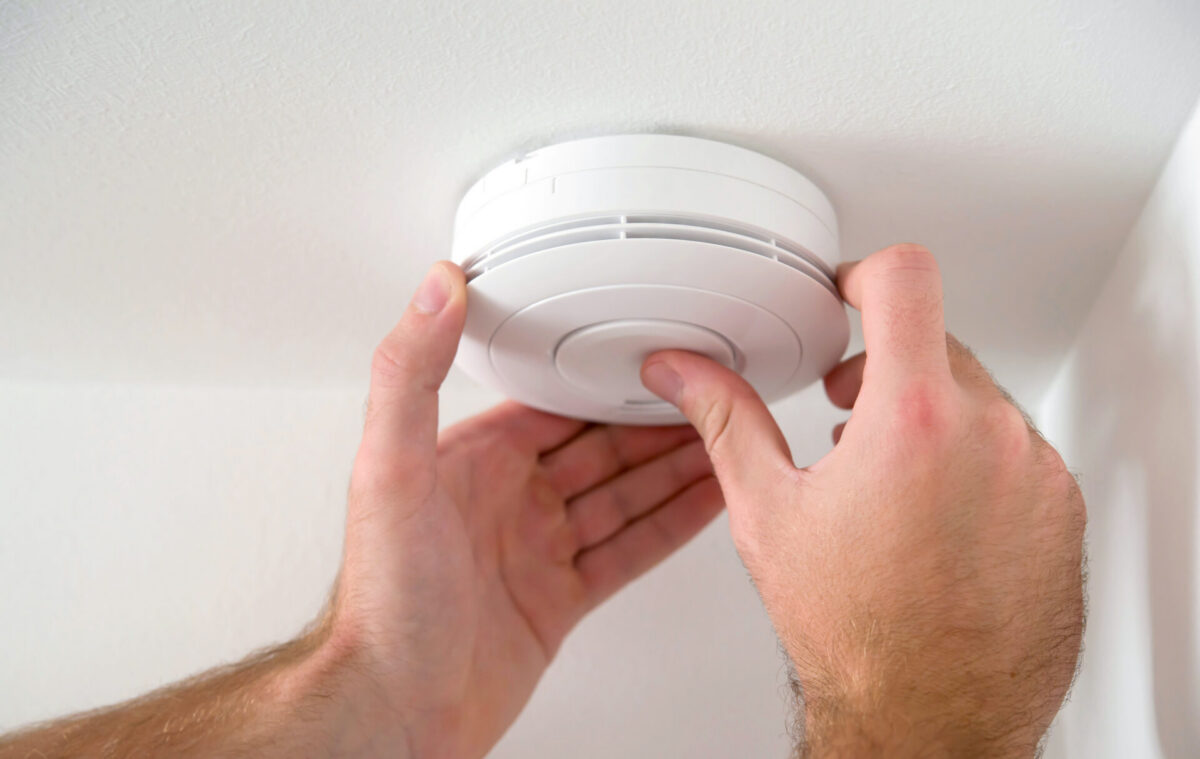
Yes, Queensland has strict smoke alarm requirements for rental properties.
Smoke alarms must comply with current legislation and be:
- Photoelectric.
- Less than 10 years old.
- Interconnected where required.
- Installed in the required locations throughout the property.
Failure to comply can expose landlords to significant risks, including insurance complications and potential penalties.
Many landlords engage specialist smoke alarm companies to manage annual compliance requirements and ensure their property remains up to date with changing legislation.
Final Thoughts
Every investment property is different, and rental legislation continues to change. Understanding your obligations as a landlord can help you avoid unnecessary expenses, maintain compliance, and protect the long-term value of your property.
If you have questions about your investment property or would like advice tailored to your circumstances, the team at All Around Realty is always happy to help.
Related Posts
Get an up to date obligation free market appraisal
One of our agents will visit your property to provide a professional, obligation-free market appraisal.